Dryness is a system
A dryer rescues moisture-loaded filament. A sealed box keeps that work from being undone. Print Climate separates both jobs instead of treating every container as a dryer.

Match dryers, dry boxes, enclosures, ventilation, hardened hardware, and resin workflow gear to the room your printer actually lives in.
Climate output
Material and room constraints
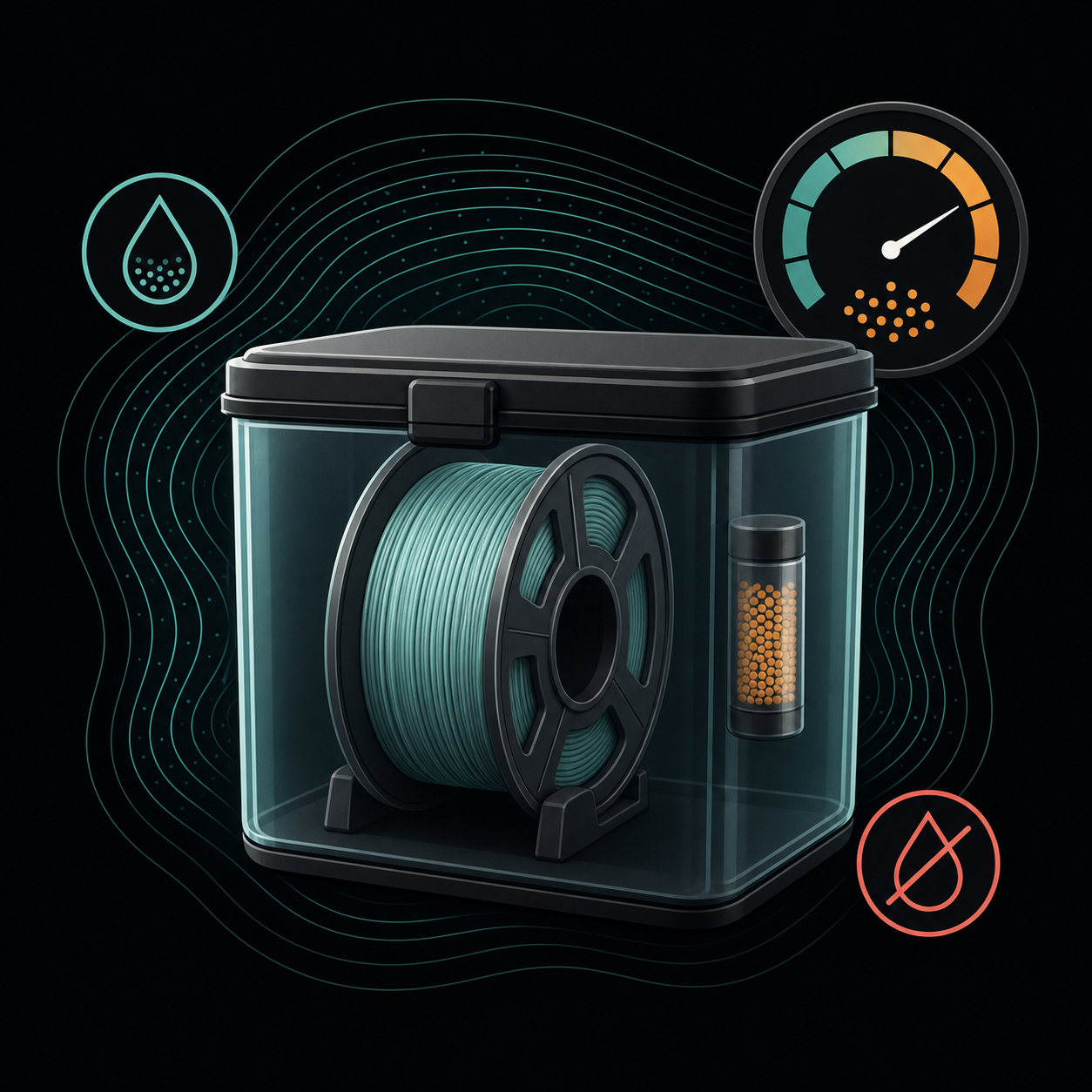
Dry cycle + sealed storage
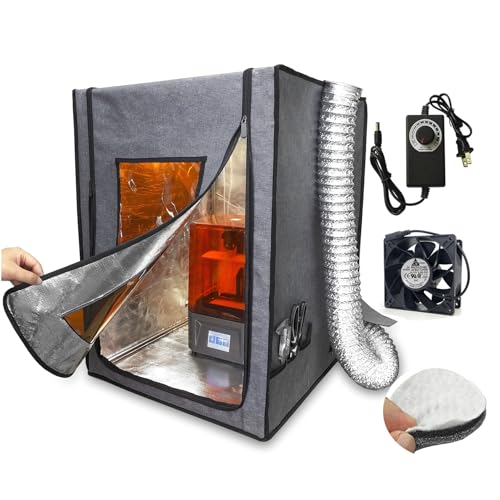
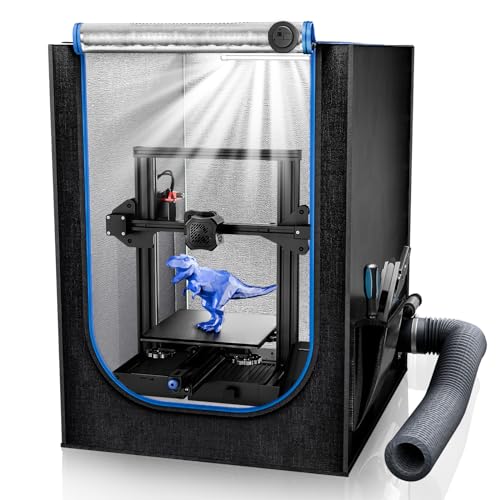
Enclosure + room monitor
Wash/cure + vent boundary
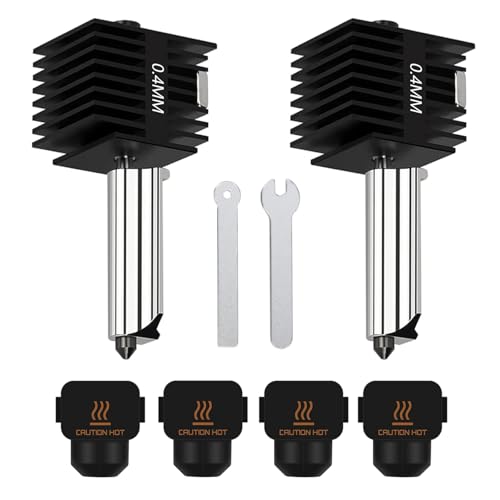
Hardened hotend + dry path
Room-first diagnosis
Humidity, drafts, resin boundaries, and storage habits shape every recommendation
Material-matched gear
PETG, TPU, nylon, resin, and abrasive filament get different setup paths
No printer rankings
We focus on the environment around the printer instead of broad printer reviews
Zero sponsored placements
Amazon affiliate links only - no brand placements or paid rankings
Climate method
Start with the condition your setup needs. Check what you already have, measure the spool when fit matters, and compare equipment only for the job it can do.
A dryer rescues moisture-loaded filament. A sealed box keeps that work from being undone. Print Climate separates both jobs instead of treating every container as a dryer.

Garage drafts, basement humidity, and enclosure heat change the print before the slicer does. Recommendations start with the space, not the accessory list.
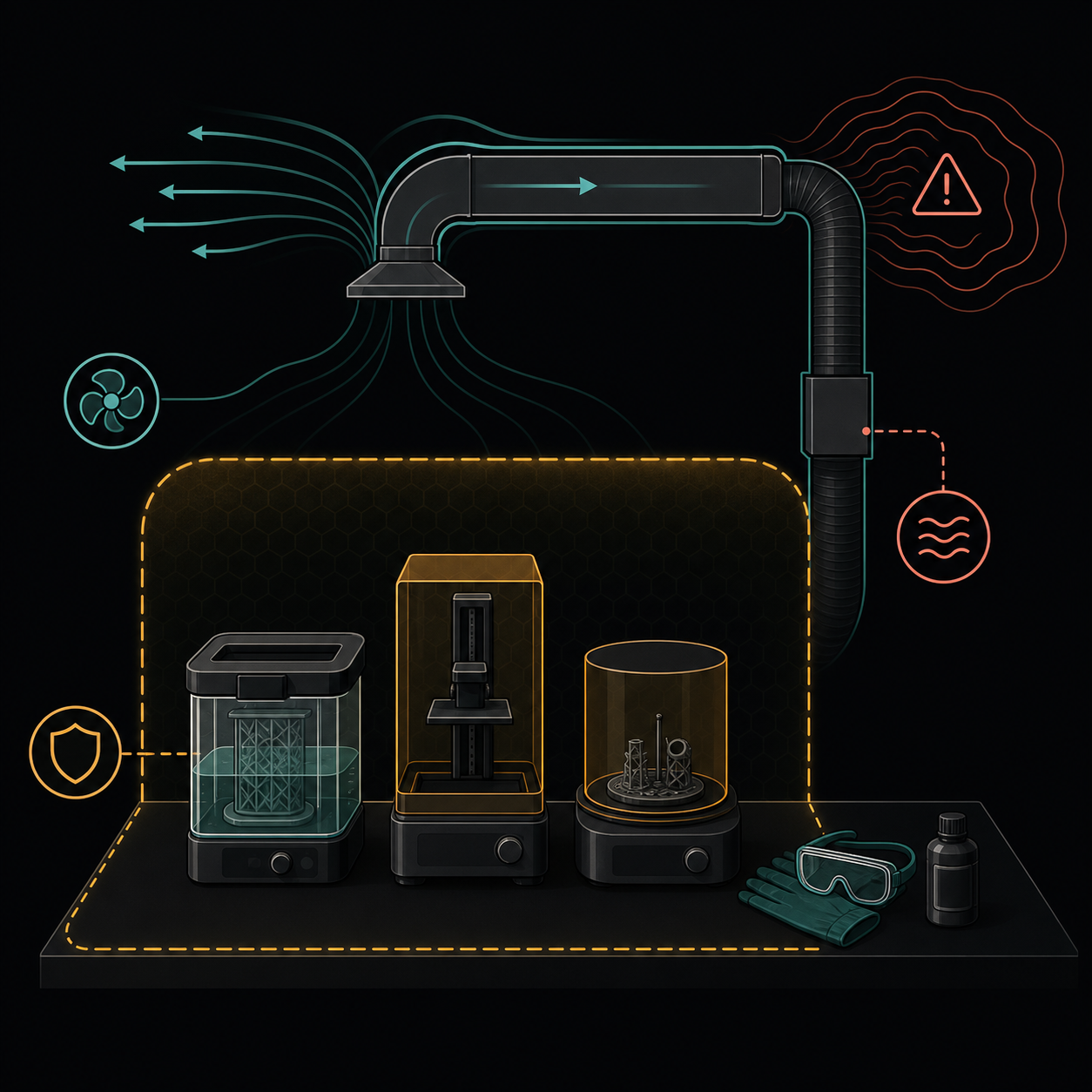
Resin recommendations favor clear boundaries: PPE, wash/cure flow, ventilation path, and waste handling. Low odor is never framed as low risk.
Print Climate Planner
Choose a job, then check material, printer and optional spool measurements. The planner separates useful alternatives from known mismatches and facts that still need checking.
Keep dimensions and cycle notes in your free spool passport, or read the dryer and spool fit guide.
Climate-problem matrix
Three high-leverage picks: one drying system, one first dryer, and one storage layer that prevents the same failure from returning.

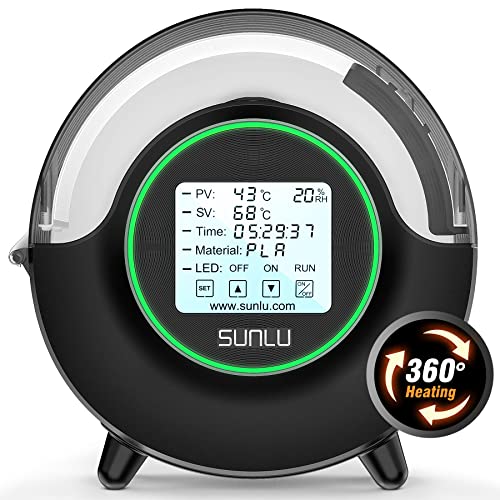
The SUNLU S4 is the best launch pick for a printer owner who has moved past one open PLA roll and now needs an actual humidity-control station. It is not the cheapest way to dry a spool, but it is the most coherent way to keep several filaments usable, print from the box, and stop treating wet PETG or nylon as a printer-tuning mystery.

Anycubic
The Anycubic Wash and Cure 3 is the resin workflow product we would put in front of almost every small-printer beginner. It does not make resin harmless, but it turns post-processing into a repeatable station instead of a messy ritual spread across the whole bench.
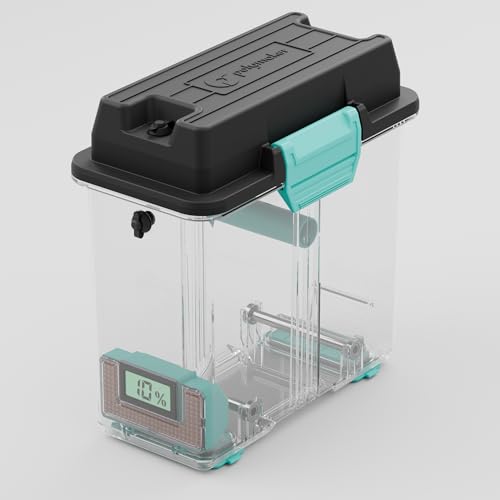
Polymaker
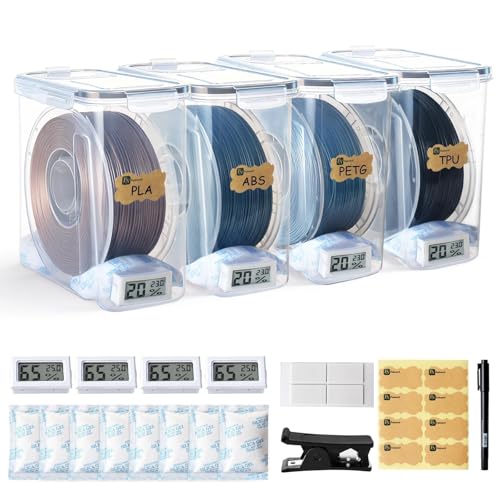
The Polymaker PolyDryer Box is the cleanest answer for users who already understand that drying and storage are different jobs. It is less exciting than a heated dryer, but it is often the missing step that keeps a fixed PETG or nylon problem from coming back two days later.
Gear database
Filter by budget or failure mode before comparing dryer, storage, enclosure, resin, and abrasive-readiness roles.
Free setup worksheet
A one-page setup sheet for room humidity, last-dried dates, box readings, resin cleanup zones, and material-specific climate notes. No spam. Unsubscribe anytime.
Field manual
Seasonal rooms, dry storage, resin boundaries, and abrasive materials all get their own decision rules.
A practical guide to deciding whether a stringing or popping problem needs active drying, sealed storage, slicer tuning, or all three.
How to separate printing, washing, curing, PPE, ventilation, and waste handling so resin work stays contained.
A decision guide for carbon fiber, glow, wood, and other filled filaments that need both dry material and wear-resistant hardware.
How to plan a 3D printing setup in spaces with seasonal humidity, cold drafts, odor concerns, and limited bench space.
On Amazon
We keep an up-to-date list of our top recommendations directly on Amazon, easy to save and share.